
ENGINEERING
Smart Door Access Systems
We design card, mobile, QR code and facial access around each door, its traffic flow and its permissions — with fire alarm integration and offline operation built in.
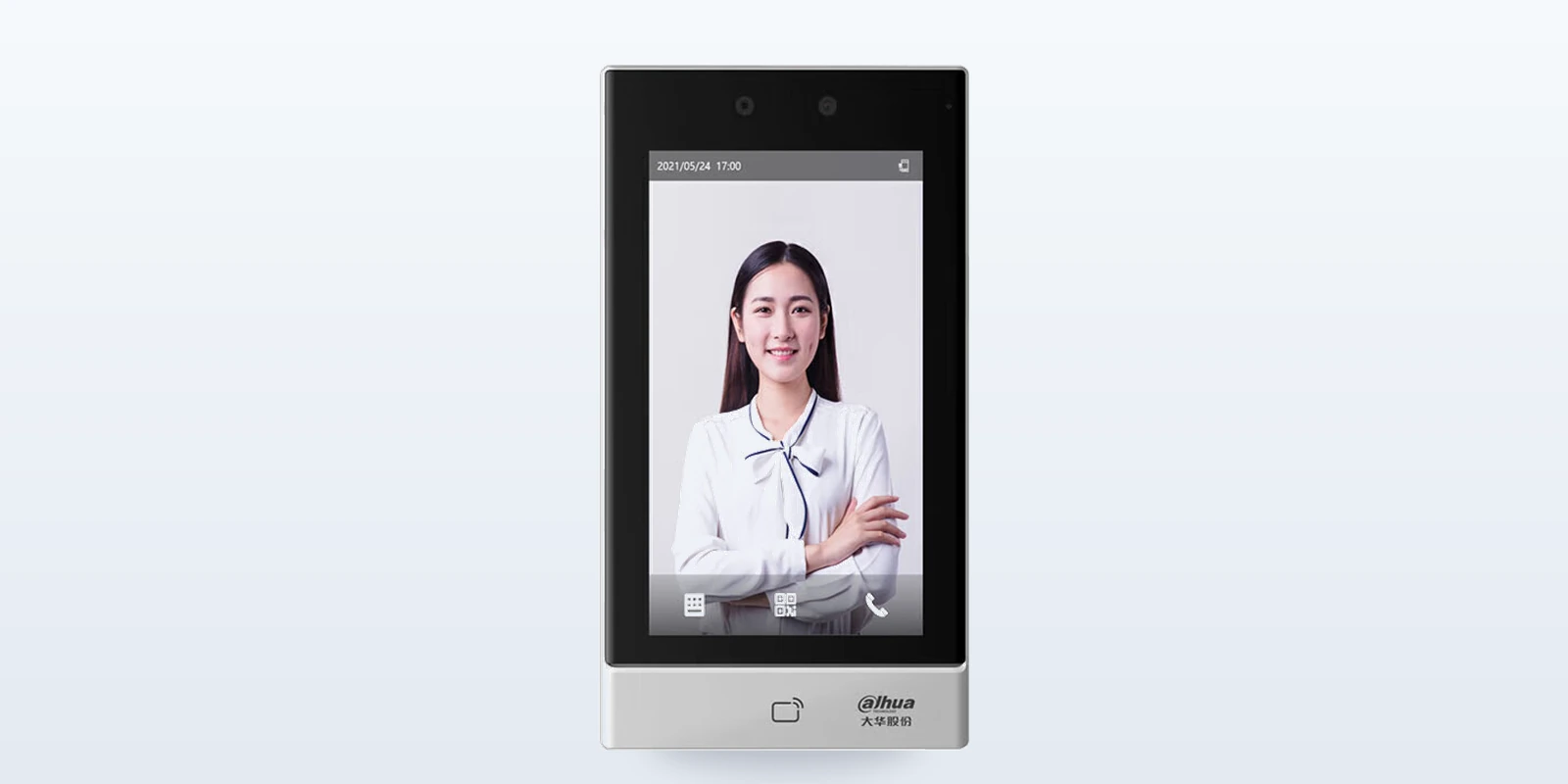
A door access system really only has to answer three questions: who may pass, at what hours, and what record is left behind. So before quoting we always survey every door on site — its purpose, opening direction, weight, whether it is a fire exit, and whether a fire alarm call point is nearby — and only then decide the combination of controller, reader and lock. We do not apply one package to every door.
Credentials can be mixed: contactless cards (Mifare / DESFire), mobile NFC or Bluetooth, dynamic QR codes, and facial recognition. The benefit of a mixed approach is that within one system, residents use their phones, cleaning and maintenance staff use time-limited QR codes, and the management office uses cards — with permissions kept independent. When someone moves out or leaves, deactivating one credential is enough; there is no need to change locks or collect physical keys.
Locks and doors are where access systems most often fail. Timber and glass doors typically use electric bolts or electric strikes, while metal doors and fire doors use magnetic locks — but whether a magnetic lock holds depends on door width, door weight and the condition of the door closer. Missing just one item among the door contact, exit button or emergency break-glass leads to doors that open on power but not on failure, or alarms that ring endlessly. We mark all of this on the shop drawings rather than leaving frontline staff to guess.
Fire escape routes are a hard requirement. Access control must integrate with the fire alarm system: on receiving a fire signal, doors must release and remain open. A system that still requires card swiping to exit during a fire is simply wrong. For any works involving fire doors, we document the integration method, whether the locks are fail-safe or fail-secure, and behaviour on power or network failure, for review by the property management and fire services contractor, and we field-test it at handover.
Permissions are set on three levels: zone, time period and staff group. Typical estate zones are resident floors, podium facilities, plant rooms, the management office and car park routes; in commercial buildings, office floors, shared meeting rooms, plant rooms and goods routes. Each permission group can carry an expiry date, so access for renovation workers, outsourced cleaners and short-term events lapses automatically — no manual collection required.
Controllers support offline operation: when the network is down, doors still admit against the local list, and records are uploaded once connectivity returns. In Hong Kong, many older buildings have network cabinets in awkward locations with unstable power — this matters more than any line on a feature list. A single network outage should never lock every door in a building.
At handover we provide a door schedule, a permission matrix, wiring diagrams, test records and operating instructions, plus hands-on training for the management office. Adding a door or changing permissions later can be done by the office in software, without calling out an engineer every time.
All systems are installed and maintained in-house by our group engineering team, with optional remote monitoring via our 24-hour control centre. Call our 24-hour customer service hotline or submit an enquiry throughContact Us— we will survey the site first, then propose a solution.
Other Engineering Systems
Licence Plate Recognition Parking Systems
Cameras and lighting chosen for the lane's light, gradient and speed; whitelisted vehicles open the barrier automatically, visitors are pre-registered, captures are archived as evidence, and existing barriers can be retained and retrofitted.
Learn more →
AI-CCTV Systems
Cameras chosen by pixel density, storage sized by retention period; AI alerts for line crossing, loitering and crowds — with privacy masking and open-protocol integration.
Learn more →
Video Intercom and Visitor Management
IP intercom with mobile answering and QR code visitor registration; multi-block networking with power-failure backup, while elderly residents can still press the bell to talk.
Learn more →
Intruder Alarm and Electronic Guard Tour Systems
Intrusion detection, emergency buttons, guard tour points and alarm monitoring — with the emphasis on reducing false alarms; patrol records carry time and location, audit-ready.
Learn more →
Solar Power and Energy Storage
Rooftop and car park canopy photovoltaic systems with energy storage, leveraging the government's Feed-in Tariff scheme to cut common-area electricity costs.
Learn more →
Structured Cabling and ELV Works
Fibre, copper, cabinets, Wi-Fi and power planning — with test reports, labelling and fire stopping. ELV cabling is the foundation of the entire system.
Learn more →