
CASE STUDY
Secondary School: Classroom Card Access, Special Room Permissions and Parent Notifications
Staff open classrooms with cards, special rooms are authorised by subject and timetable, and parents can be notified when students enter or leave the campus.
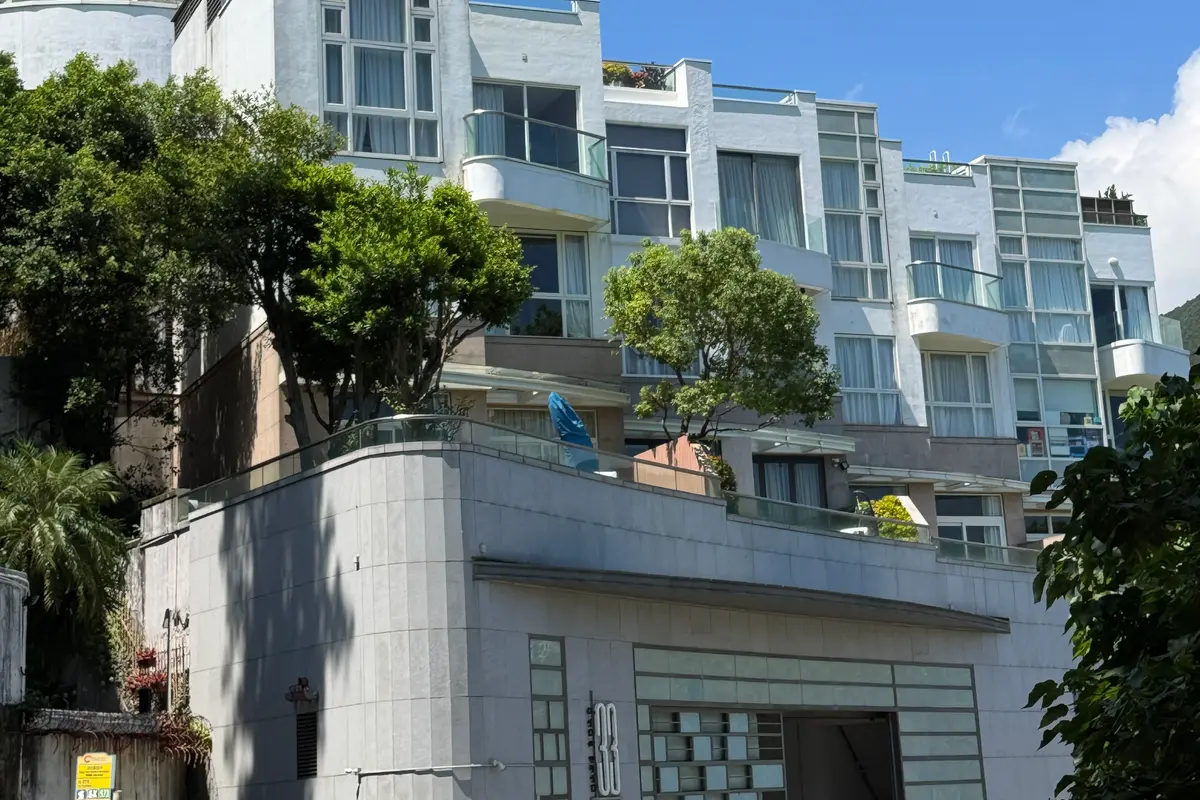
Hong Kong secondary school (client name withheld under confidentiality arrangement)
Background
The school wanted to reduce the borrowing and loss of classroom keys, and to keep records of how special rooms (laboratories, computer rooms, design and technology rooms) are used. It also wanted to notify parents when students arrive late, leave early or exit the campus, without turning the system into round-the-clock tracking.
Design
Staff use contactless cards for classrooms and the staff room. Special rooms are authorised by subject, class and timetable, with access expiring automatically outside lesson times. Card readers at the main gate and lobby record students entering and leaving, and the system sends parents notifications under predefined rules (for example, entering the campus after class has started). All notifications contain only the time and location — no location tracking.
Privacy handling
The purpose of collection, retention period and access arrangements for student data were explained in advance to the school and the parent-teacher association. Facial recognition is not enabled, and no movement trajectories within the campus are recorded. Parents can opt in or out of receiving notifications.
Result
Key borrowing records fell sharply, and usage of special rooms is now backed by data. The school office can view attendance anomalies by class in the system and export reports. The works were scheduled during school holidays, with testing and teacher training completed before the new term began.
Other Case Studies
Private Estate: Integrated Entrance Access and Car Park ANPR across Three Blocks
Residents pass with mobile phones or cards, the car park opens automatically via licence plate recognition, visitors use one-time QR codes, and works were delivered in three phases without closing main access routes.
Read case study →
Industrial Building: Single-Lane Two-Way Traffic with Octopus Payment
The original barriers were retained, with ANPR, LED displays and traffic lights added to resolve head-on conflicts on a narrow lane.
Read case study →
Grade A Office: Lobby Speed Gates, Self-Service Visitor Registration and Lift Control
Staff pass the gates with cards or phones, visitors self-register and receive QR codes, and lifts only stop at authorised floors.
Read case study →
Retail Chain: Unified Access Control and Attendance across Twelve Stores
Head office issues and revokes credentials centrally, store managers view attendance for their own store only, and departing staff lose access the same day.
Read case study →
Server Room and Data Centre: Two-Factor Access and Environmental Monitoring
Card plus finger-vein two-factor entry, interlocked double doors, full entry logging, and water leak and temperature alarms.
Read case study →