
CASE STUDY
Private Estate: Integrated Entrance Access and Car Park ANPR across Three Blocks
Residents pass with mobile phones or cards, the car park opens automatically via licence plate recognition, visitors use one-time QR codes, and works were delivered in three phases without closing main access routes.
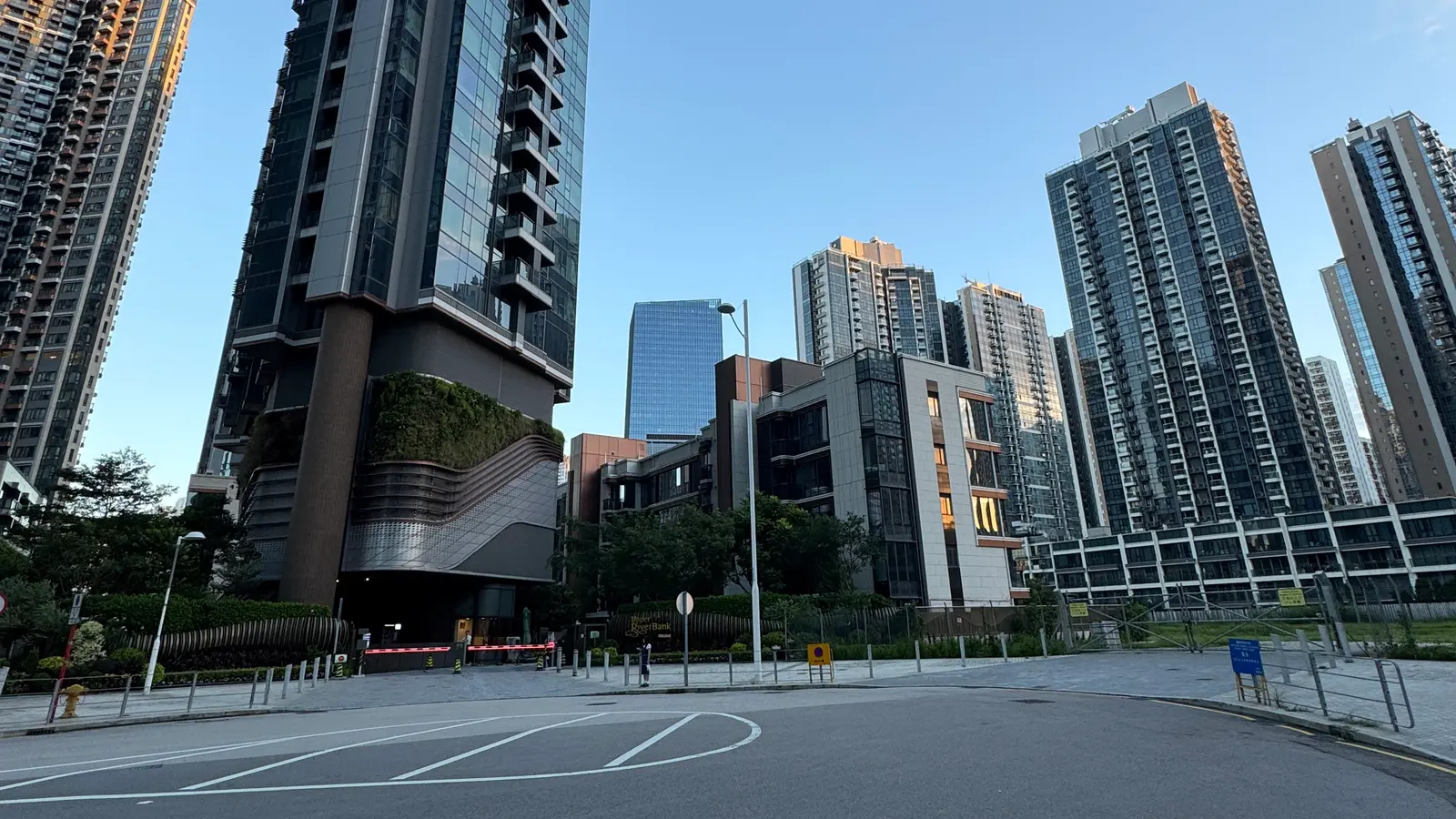
Private estate (client name withheld under confidentiality arrangement)
Background
The estate comprises three residential blocks, two car park entrances and one podium facilities level. The original system supported card access only; cards were frequently lost, and the car park relied on guards visually identifying vehicles, causing queues onto the road during peak hours. The management office wanted to address resident access, car park management and visitor registration in one project, without closing main access routes during the works.
Design
Residents can choose between mobile Bluetooth credentials and contactless cards, with both running in parallel. The car park matches licence plates against the monthly parking list; visitors receive one-time QR codes generated by residents on their phones, and exit gates bill hourly parkers automatically. The podium facilities (swimming pool, gymnasium, function room) share the same permission system, opening by booked time slot and expiring automatically afterwards.
Works programme
The project was delivered in three phases — management office and plant room first, then each block lobby, and finally the car park. Only one entrance was closed at a time, with temporary readers and signage installed on site. Car park works were scheduled on weekday daytime off-peak hours, with normal operation restored by evening.
Result
Residents no longer queue at the management office to replace cards, monthly parkers pass automatically, and visitor records are traceable. The management office can add residents, set temporary access for renovation workers, and export monthly entry and visitor reports on its own. The deliverables included a door schedule, a permission matrix, a car lane test report and operator training.
Other Case Studies
Industrial Building: Single-Lane Two-Way Traffic with Octopus Payment
The original barriers were retained, with ANPR, LED displays and traffic lights added to resolve head-on conflicts on a narrow lane.
Read case study →
Grade A Office: Lobby Speed Gates, Self-Service Visitor Registration and Lift Control
Staff pass the gates with cards or phones, visitors self-register and receive QR codes, and lifts only stop at authorised floors.
Read case study →
Secondary School: Classroom Card Access, Special Room Permissions and Parent Notifications
Staff open classrooms with cards, special rooms are authorised by subject and timetable, and parents can be notified when students enter or leave the campus.
Read case study →
Retail Chain: Unified Access Control and Attendance across Twelve Stores
Head office issues and revokes credentials centrally, store managers view attendance for their own store only, and departing staff lose access the same day.
Read case study →
Server Room and Data Centre: Two-Factor Access and Environmental Monitoring
Card plus finger-vein two-factor entry, interlocked double doors, full entry logging, and water leak and temperature alarms.
Read case study →