
CASE STUDY
Retail Chain: Unified Access Control and Attendance across Twelve Stores
Head office issues and revokes credentials centrally, store managers view attendance for their own store only, and departing staff lose access the same day.
Local retail chain (client name withheld under confidentiality arrangement)
Background
The twelve stores are spread across Hong Kong Island, Kowloon and the New Territories, and high-turnover positions change staff frequently. Each store previously used its own keypad locks; departing staff's codes were never changed, and head office had no visibility of store entry records.
Design
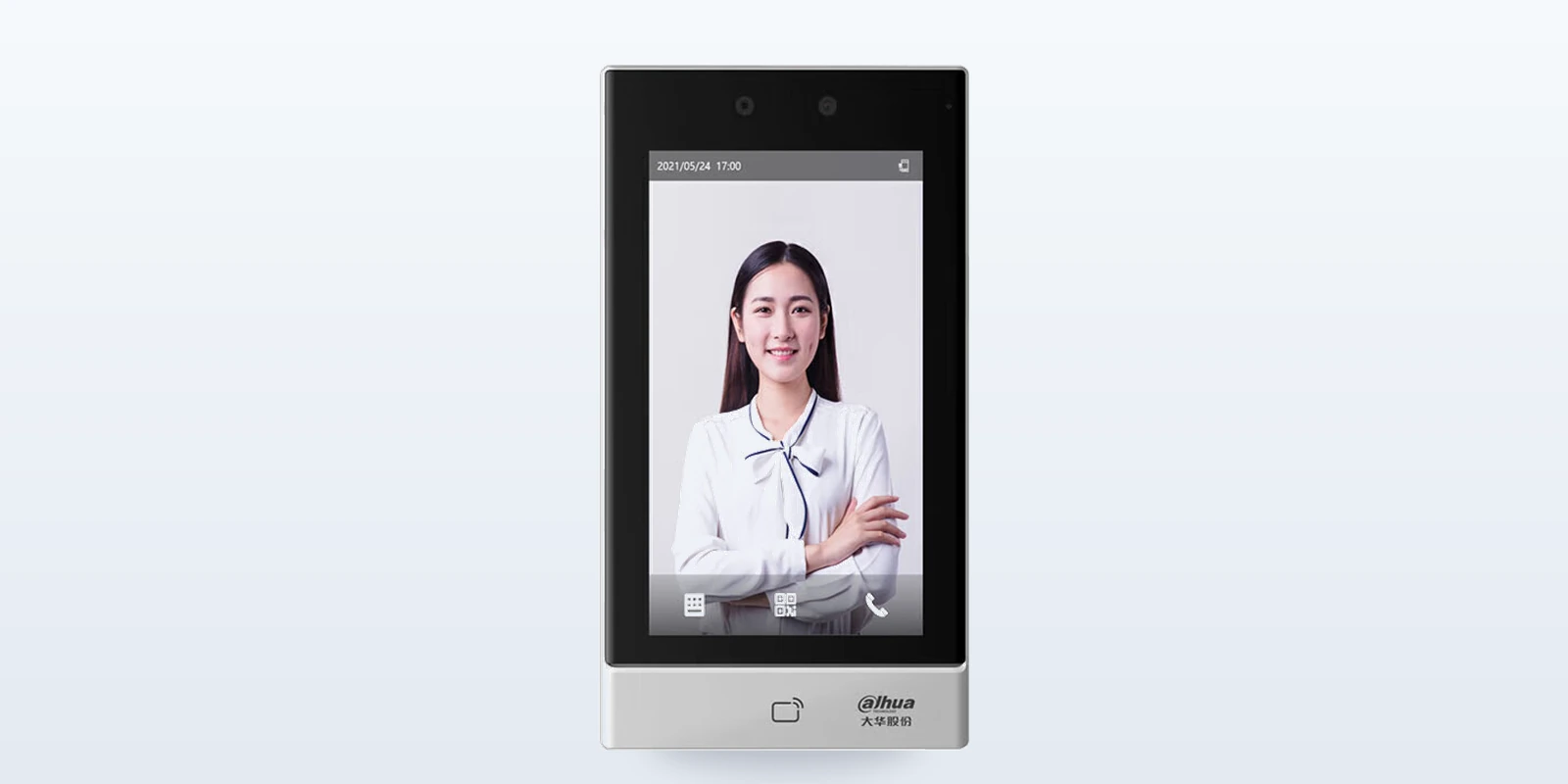
Each store was fitted with access control terminals with attendance functions, connected to the head office platform over broadband. Head office adds and deactivates employees centrally, with permissions set by role (store manager, full-time, part-time, outsourced cleaning). Store managers can view attendance and entry records for their own store only, and cannot modify permissions. Part-time staff credentials carry an expiry date and are extended only upon renewal.
Challenges
Some stores are in older buildings with unstable networks and landlord-supplied IP addresses that change frequently. We added a 4G router at each store as a fallback, and the controllers support offline operation, uploading records automatically once the network recovers. Devices were also placed under remote monitoring, with head office notified when a connection drops for longer than a set period.
Result
Head office can see the device status and attendance anomalies of all twelve stores on a single screen. Departing staff lose access the same day, without waiting for store managers to hand back cards. Monthly attendance reports are exported by the system, reducing manual collation. The works were delivered in four batches of three stores each, completed before opening hours so trading was not affected.
Other Case Studies
Private Estate: Integrated Entrance Access and Car Park ANPR across Three Blocks
Residents pass with mobile phones or cards, the car park opens automatically via licence plate recognition, visitors use one-time QR codes, and works were delivered in three phases without closing main access routes.
Read case study →
Industrial Building: Single-Lane Two-Way Traffic with Octopus Payment
The original barriers were retained, with ANPR, LED displays and traffic lights added to resolve head-on conflicts on a narrow lane.
Read case study →
Grade A Office: Lobby Speed Gates, Self-Service Visitor Registration and Lift Control
Staff pass the gates with cards or phones, visitors self-register and receive QR codes, and lifts only stop at authorised floors.
Read case study →
Secondary School: Classroom Card Access, Special Room Permissions and Parent Notifications
Staff open classrooms with cards, special rooms are authorised by subject and timetable, and parents can be notified when students enter or leave the campus.
Read case study →
Server Room and Data Centre: Two-Factor Access and Environmental Monitoring
Card plus finger-vein two-factor entry, interlocked double doors, full entry logging, and water leak and temperature alarms.
Read case study →